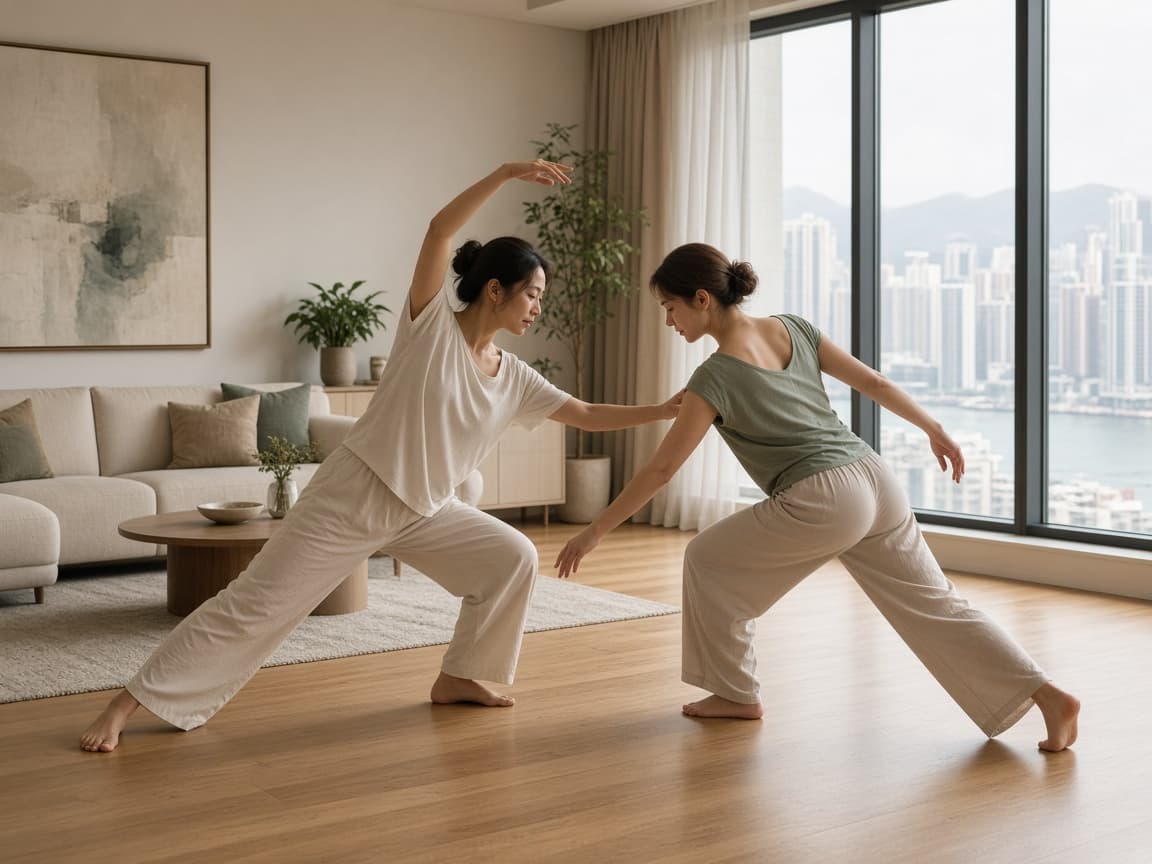
HomeCoach editorial
How to check an in-home coach's credentials and certifications

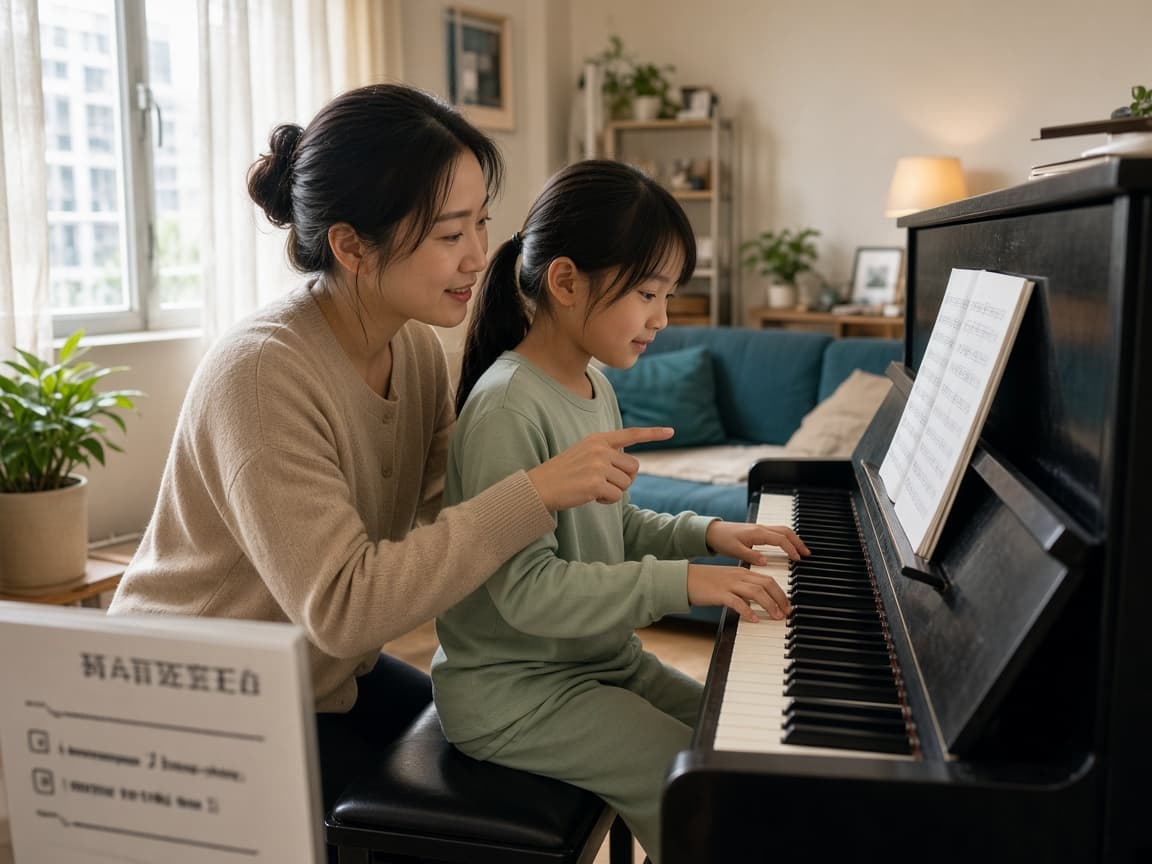
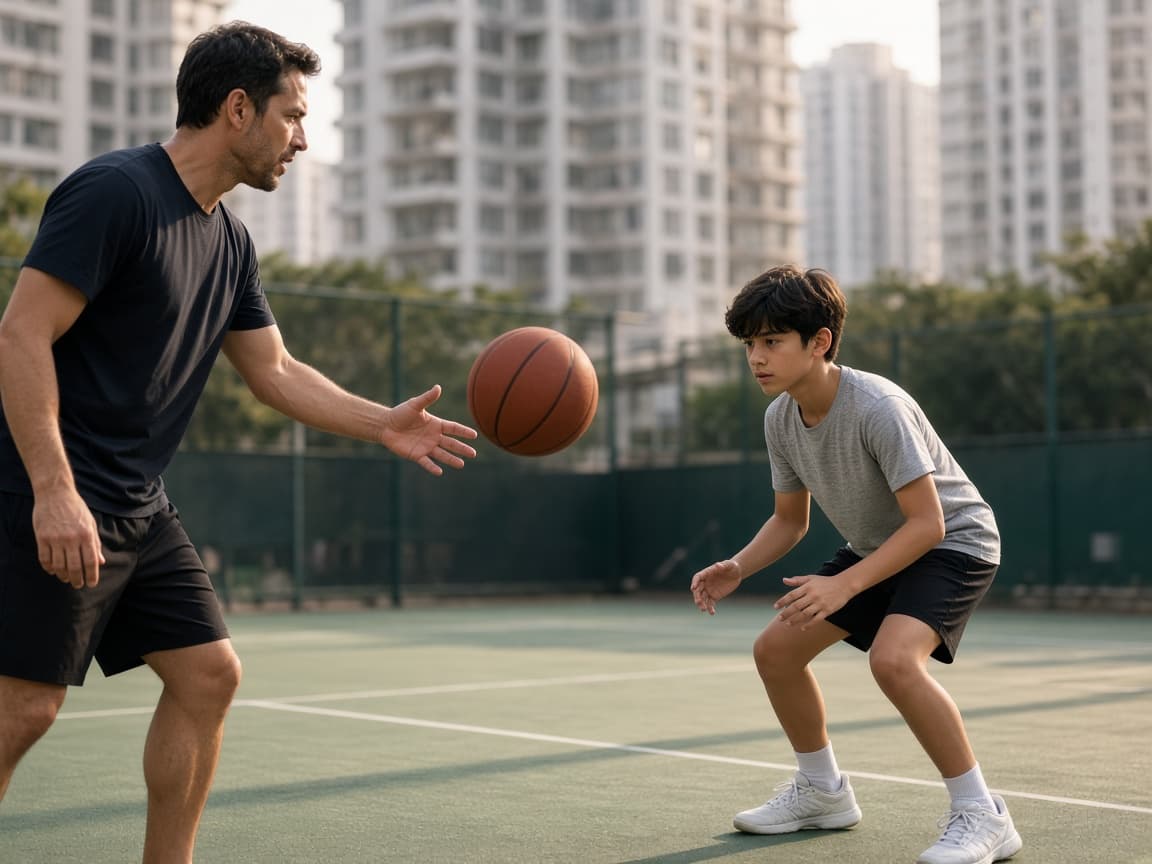
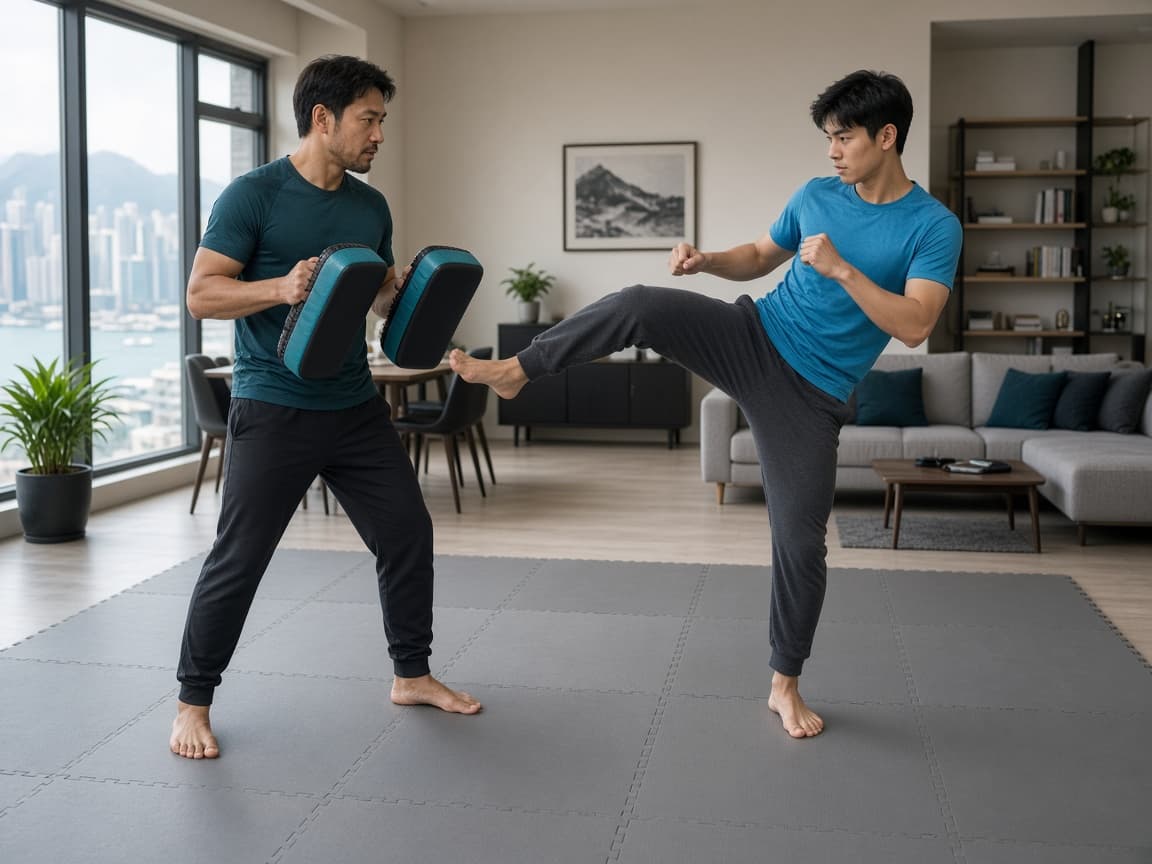
In-home coaching covers fitness, yoga, swimming, ball sports, martial arts and music — all nominally 'teaching', but credentials vary widely. Hong Kong has no single personal-training licence; common references include international certifications (ACE, NASM, NSCA for fitness; Yoga Alliance for yoga), Hong Kong swimming teachers' and lifesaving bodies, and ABRSM or Trinity grades for music. Say which credentials matter to you when you book.
HomeCoach matches your goals to a coach's specialism and encourages you to ask for certificates or proof of experience. For children's swimming or senior fitness, confirm relevant teaching experience with that group rather than judging by athletic performance alone.
Take extra care with higher-risk categories: postnatal shaping, rehab exercise, prenatal yoga and children's training should be cleared by a doctor or physiotherapist first, with intensity set to their advice. Coaches do not diagnose or treat — they work within a safe scope.
If you are unsure which category your need falls into, send details and photos to support — the cause of back pain, the site of an old injury, or any special needs your child has. Support classifies it as general fitness, specialised coaching or a medical referral, then decides who to send and how to plan. Classify before dispatch is safer and faster than 'see on arrival'.
Keep reading
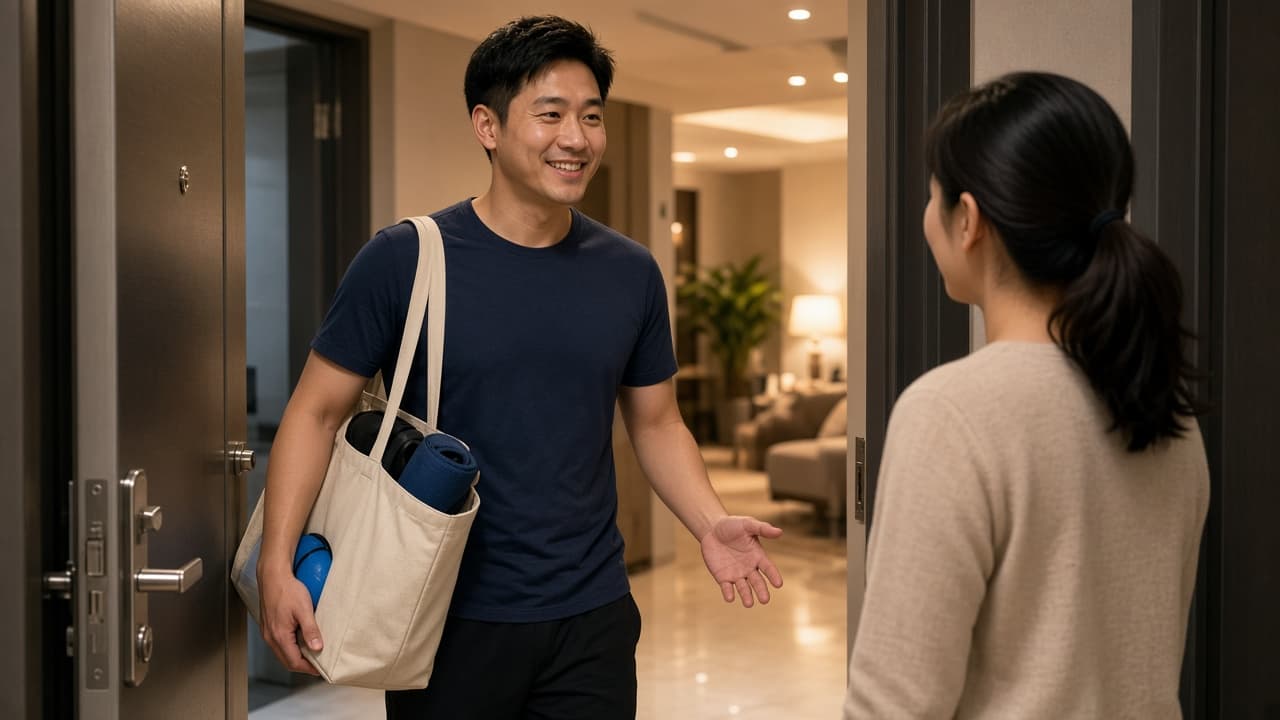 How does a HomeCoach lesson actually work?From your goals and venue checks to the coach at your door — how a HomeCoach lesson is arranged.
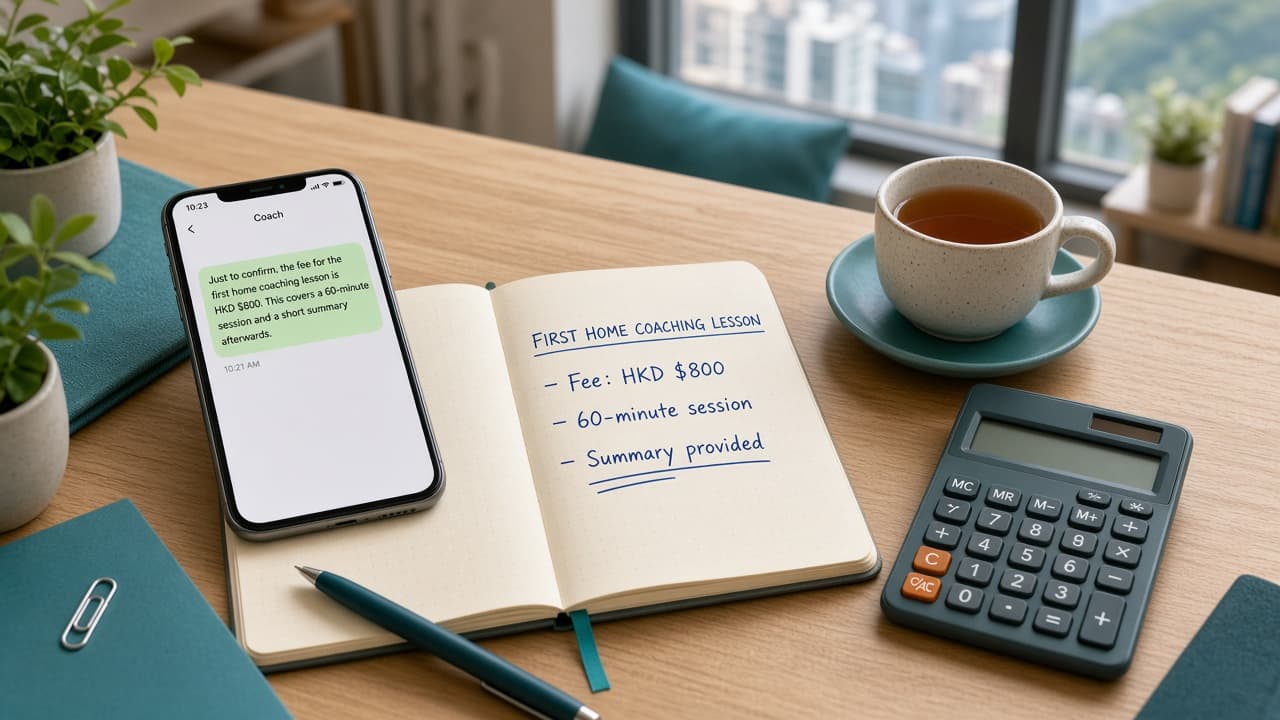 Why HomeCoach insists the fee is clear before the first lessonFee transparency is about who bears information asymmetry — and how extra time, gear and lesson packs are handled.
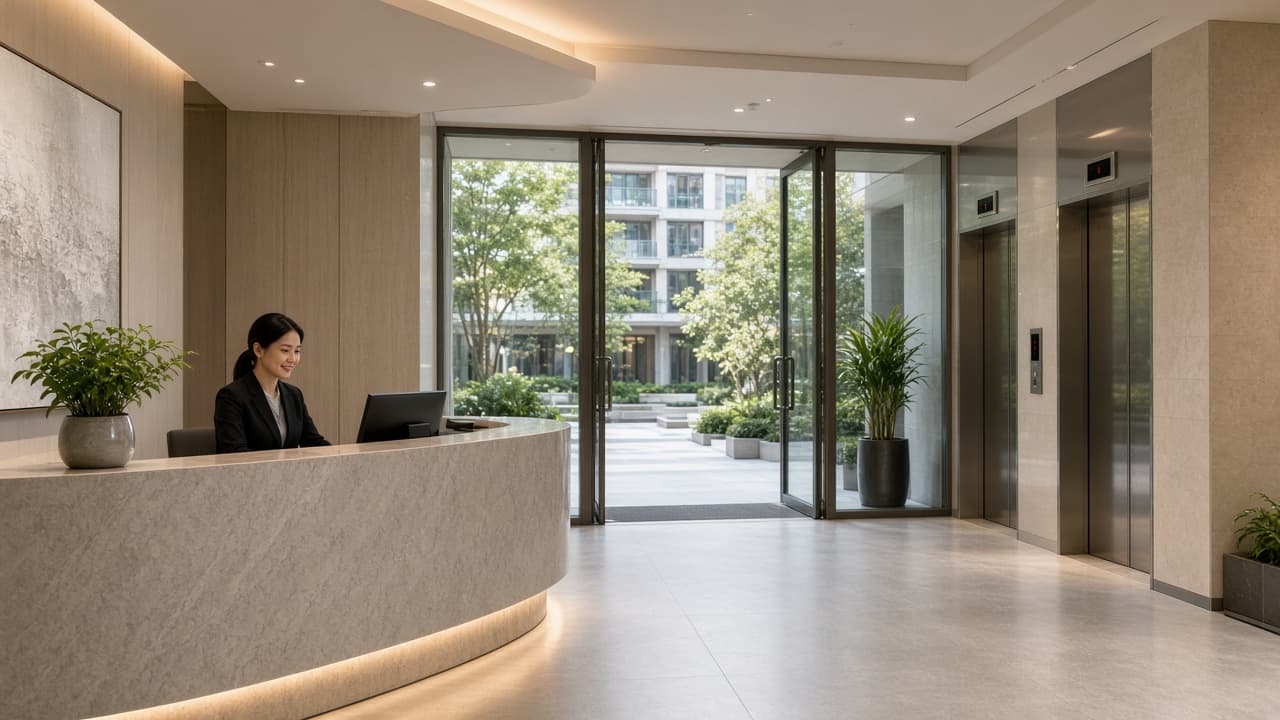 Before an estate lesson: visitor passes, clubhouses and pool accessA great coach is useless if the gate or pool blocks entry. Venue and access notes belong on the job ticket before departure.